Seasonal Holidays and Celebrations You Should Know When Dating Abroad
Send a Christmas greeting on the wrong day and you will look like you never asked her a single question about her family. Orthodox Christmas traditions run on a different calendar than the one most American men grow up with, and the biggest night of the season often isn't Christmas at all. Here is what actually happens, and when.
New Year First, Christmas Second
In Russia, New Year's Eve on December 31st is the main event of the season, not Christmas Day. Grandfather Frost arrives with the Snowmaiden, listens to songs and poems from the children, and hands out small gifts before midnight. Homes are decorated with a Christmas tree and pine branches on the doors, and the tree usually stays up until the end of January, after the feast day of the Baptism of Christ.
For an American man dating abroad, this matters more than it sounds. If you're messaging a Russian woman through SlavicLoveLink in late December, "Happy New Year" carries more weight than "Merry Christmas" - it's the greeting her family is actually building the evening around, complete with the tree, the gifts and the midnight countdown. A common greeting worth learning is "S Novym Godom," meaning "With the New Year."
Orthodox Christmas Traditions and Why the Date Differs
Orthodox Christmas traditions in Russia place the holiday on January 7th, not December 25th, because many Orthodox churches still follow the Julian calendar set under Julius Caesar rather than the Gregorian calendar adopted in 1582. The two calendars now sit 13 days apart, so December 25th on the Julian calendar lands on January 7th on the Gregorian one - the date her family actually marks as Christmas.
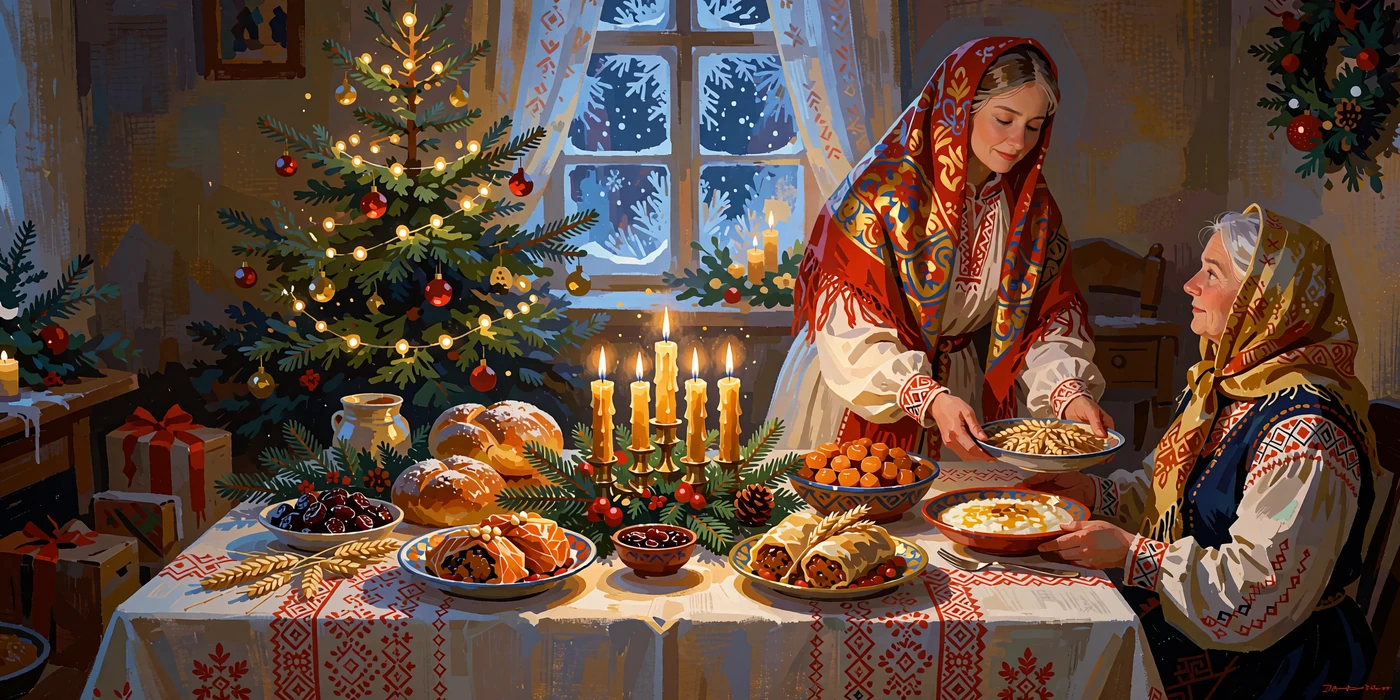
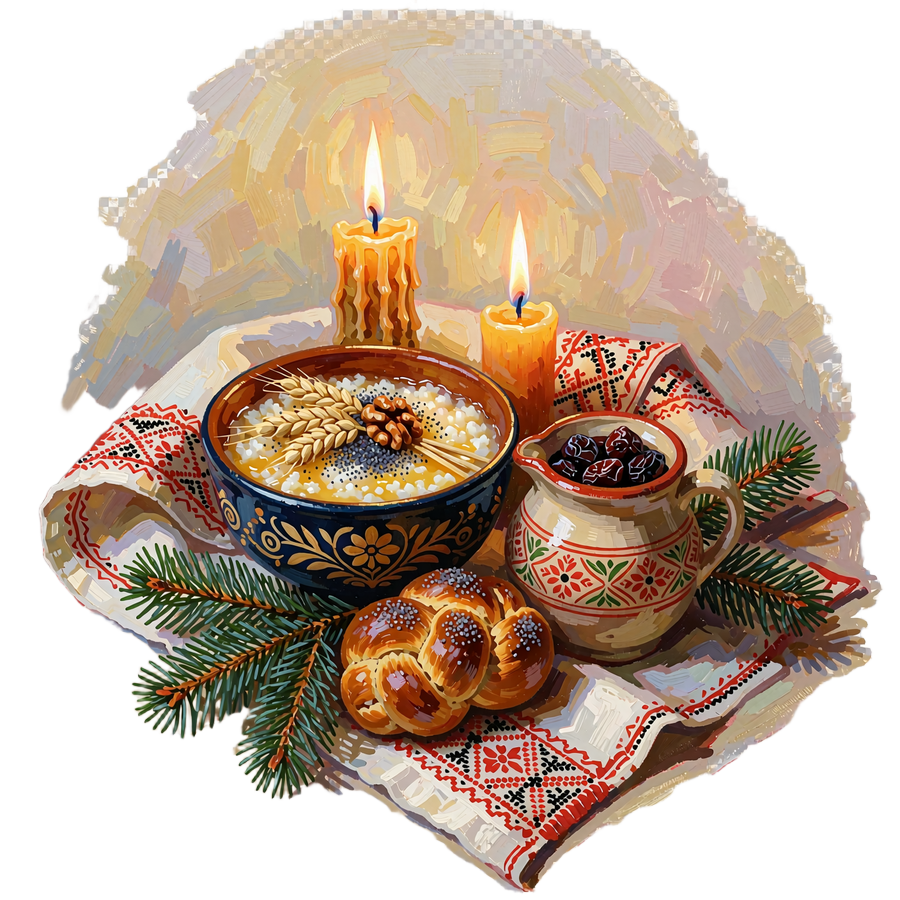
The celebration itself lasts six days and stays deliberately quiet and religious rather than commercial. On Christmas Eve, nothing is eaten or drunk until the first star appears in the night sky, echoing the star that led the Magi to Christ. Once it appears, the family sits down to a Lenten meal called the Holy Supper. That same instinct - that a holiday is really a family occasion, run on the household's terms - carries through the rest of Slavic dating culture, which our guide to family-centric culture in Slavic dating covers in more detail.
Regional Customs: Bulgaria, Romania and Beyond
Bulgaria keeps Christmas on December 25th, and Christmas Eve marks the climax of the Nativity Fast: only an odd number of meat-free dishes are served that night, and a ceremonial log called the Budnik is set alight. Meat returns to the table once Christmas Day itself arrives. Families welcoming a guest around this time, including members you meet through our Bulgarian dating guide, are usually mid-fast right up until the 25th.
Romania stretches the season out further: festivities traditionally run 19 days, from December 20th to January 7th, opening with a six-week fast that excludes meat, eggs, milk and sweets. A stricter version of the fast also means no alcohol, no physical intimacy and no repaying outstanding debts until fasting ends on Christmas night. It's a long runway, and it's worth knowing about before you plan a visit. Moldova shares much of this same Orthodox calendar and household rhythm - you can read more in our Moldovan dating guide.
How to Send Greetings Without Getting the Date Wrong
Getting the calendar right is a small thing that signals you're paying attention. A few habits make the difference between a message that lands well and one that quietly misses the moment.
- Ask which calendar her family follows before assuming a date - Julian and Gregorian Christmas can sit 13 days apart.
- If her family follows the Julian calendar, send your greeting on January 7th, not December 25th.
- Greet her at midnight her time on New Year's Eve - in Russia, it's the biggest family moment of the season.
- Keep early gifts modest. A thoughtful message or flowers go further than an expensive present before you've met her family.
- Avoid pushing for a visit during a fasting period tied to Christmas - timelines matter here the same way they do everywhere else in the relationship. Our guide to marriage expectations in Eastern Europe covers pacing in more depth.
Be There for Her Next Holiday
Learn the right date, send the right greeting, and start the conversation before the season gets busy. Registration and browsing are free.
FAQ: Holiday Dates and Traditions
When is Orthodox Christmas celebrated?
Many Orthodox Christians, including in Russia, follow the Julian calendar rather than the Gregorian calendar. The two now differ by 13 days, so December 25th on the Julian calendar falls on January 7th on the Gregorian calendar - the date her family likely observes.
Is New Year or Christmas the bigger celebration in Russia?
New Year's Eve on December 31st is the primary family celebration in Russia. Grandfather Frost and the Snowmaiden deliver gifts and hear songs from the children before midnight, while Christmas Day on January 7th stays a quieter, more religious occasion built around the Holy Supper.
How long do Romanian Christmas festivities last?
Romanian Christmas festivities traditionally run 19 days, from December 20th to January 7th, opening with a six-week fast that excludes meat, eggs, milk and sweets and ending on Christmas night.